
Basker
I still remember the first time I met Jessica Murnane. It was at an event, and there was an immediate sense that we were meant to know each other beyond that moment. At the time, she was deep in the early stages of what would become her first cookbook, One Part Plant. She asked if I’d be willing to test a few recipes—and to this day, they remain some of my absolute favorites. Thoughtful, nourishing, and deeply intentional, they reflected the care she brings to everything she creates.
One memory in particular has stayed with me. I stopped by her house when she lived in Chicago once to pick something up—I honestly can’t remember what it was—but I clearly remember sitting on the floor of her child’s bedroom, talking about reinvention. She shared how she had started in paper goods before feeling a strong pull toward food and wellness, and how honoring that shift changed the direction of her work. That quiet, honest conversation has lingered with me for years.
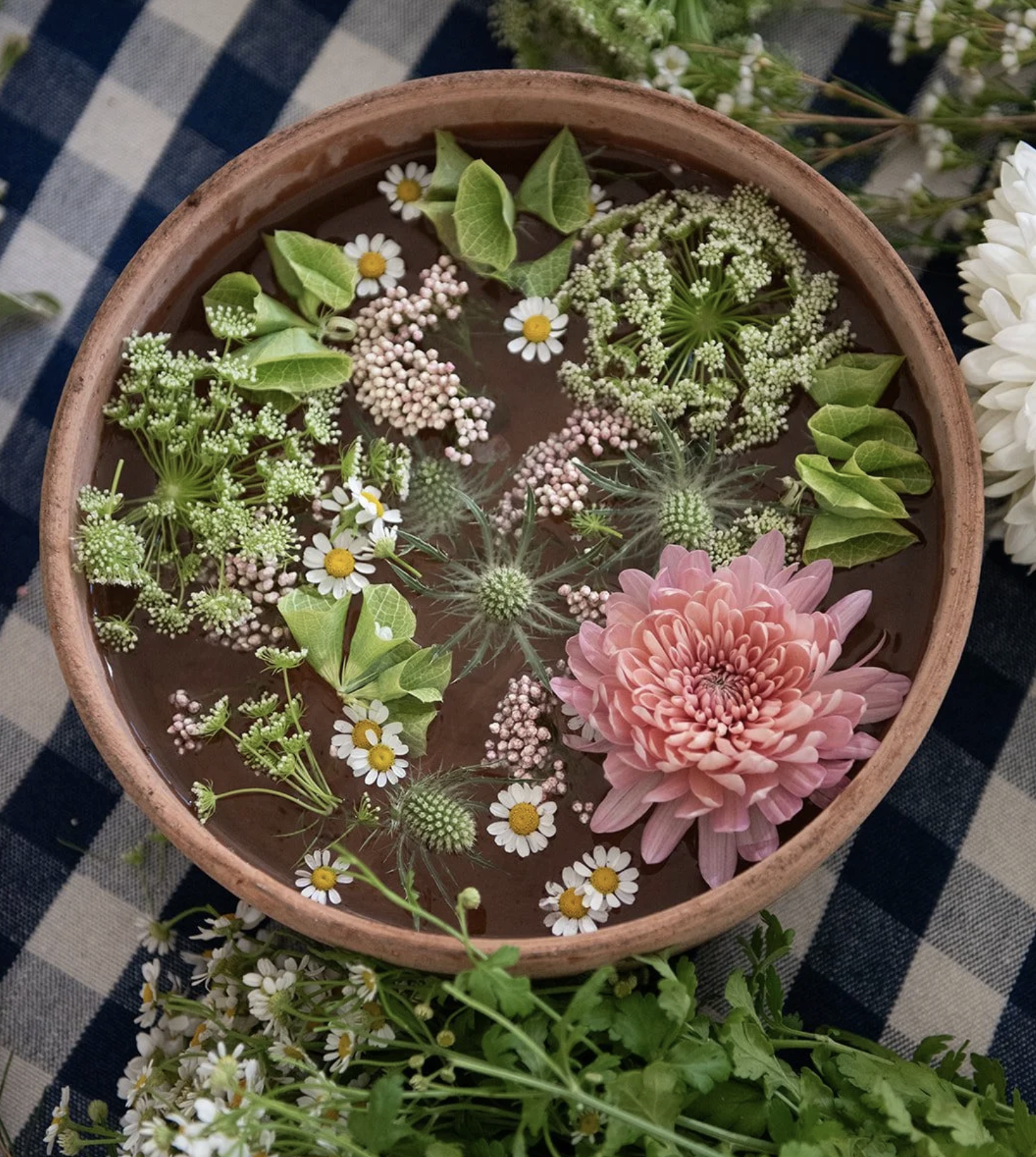
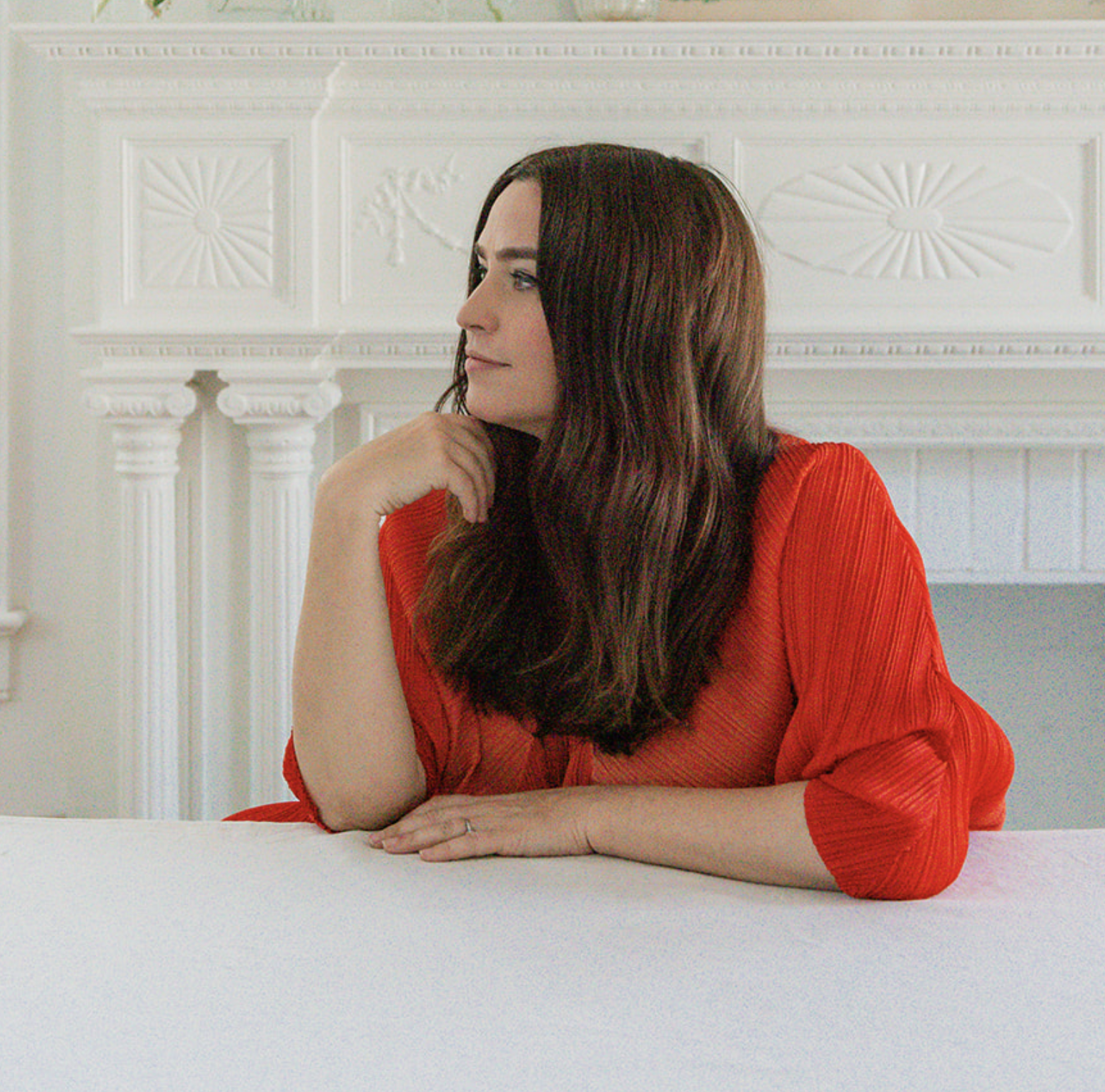
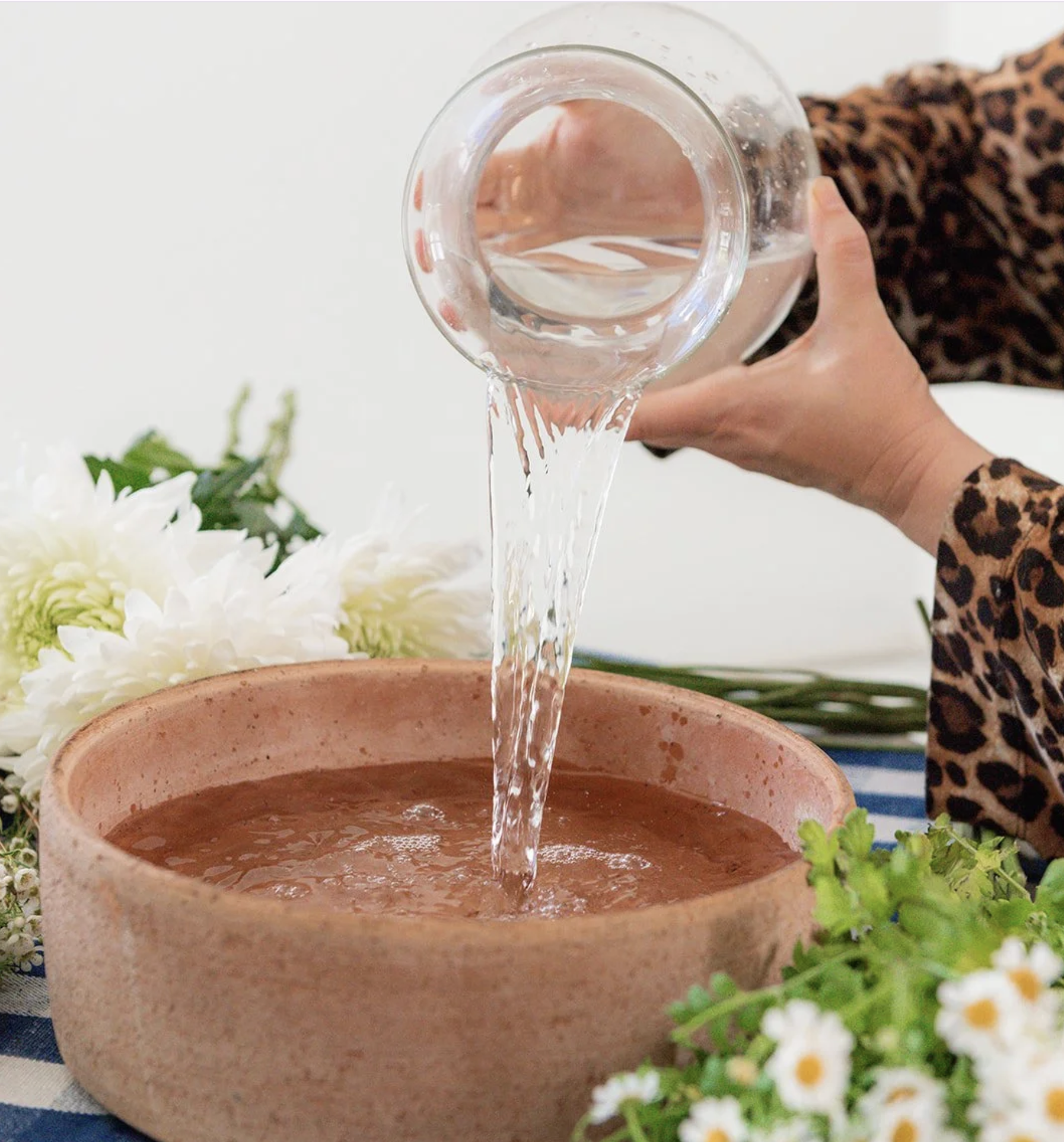
So when Jessica announced the launch of her newest venture, BASKER, and shared that she had become certified in Horticultural Therapy, it immediately felt like a natural and meaningful evolution of her path. I was genuinely excited for her—and certain this was something special. BASKER brings together so many of the things she does best: care, education, creativity, and connection to the natural world.
In addition to BASKER, Jessica has hosted a podcast and authored another powerful book, Know Your Endo, an empowering and deeply personal guide for those navigating endometriosis. While all of her work is worth exploring, today we’re focusing on BASKER and the thoughtful approach behind it.
I hope you enjoy the interview below. And if you’re craving guidance, grounding, or a little more plant-centered care in your life, I encourage you to connect with Jessica and learn more about BASKER.
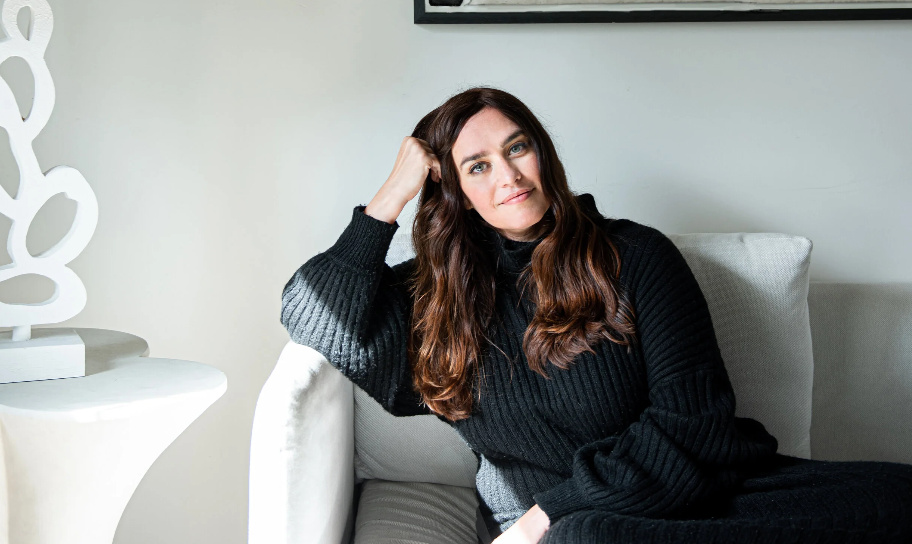
1. Basker feels like both a feeling and a practice. How did the name come to be, and what does it mean to you personally?
Basker is all about "basking" in what makes you feel good. It's funny, five years ago, I wanted to name another company Basker. The name always stuck with me and I finally had the perfect way to use it.
2. Was there a specific moment or season in your life when you realized plants were more than a hobby—they were a form of healing?
Yes! I was helping a master gardener build her website and brand and worked alongside her to learn more about plants. At the time, I was going through some big health challenges and told her how much it was changing how I felt. And she said "yes, that's a thing - Horticultural Therapy." I raced home, looked it up, signed up for classes a week later, and the rest is history.
3. For someone new to horticultural therapy, what’s the smallest or simplest way they can begin experiencing its benefits?
Go to the best nursery / botanical garden in your town. Touch some plants, really look at them, sit without looking at your phone in a quiet space and just breathe in the air, ask questions, and let me know how you feel after.
4. Basker centers slowing down in a world that moves fast. How do you personally return to that rhythm when life feels overwhelming?
Aside from going out and being with my garden - puzzles, watching shitty TV in bed, paper mache, flower pressing, and playing video games with my son.
5. Is there a plant that feels especially symbolic of Basker’s mission—and if so, why?
Any cut-and-come again flower. The more you cut, the more they come. It's like they keep getting second, third, fourth chances to be new again and transform. A lot of times in life, we think we only get one chance, we have many.
6. How do you hope people feel after spending time in a Basker session, workshop, or space?
Calm, inspired, feeling less alone, and a sense of having a new tool in their back pocket they can pull out when they need it most.
7. In what ways do you see horticultural therapy intersecting with mental health, community care, and accessibility?
So many! Horticultural therapy is so much about social well-being. With the loneliness epidemic in our country, I can't think of a better time to use this modality to connect and help one another.
8. What’s one misconception about plant-based healing or horticultural therapy that you’d love to gently reframe?
a) A lot of people think it's giving therapy to plants (which is a cute visual), but it's tending to plants, so YOU get the benefits.
b) It doesn't just have to be gardening. Horticultural Therapy involves cooking and crafting with plants, too.
c.) It's not new! The profession started over 100 years ago, helping soldiers coming home from World War I.
9. Do you have a “gateway plant” you recommend to people who swear they can’t keep anything alive?
I am not an indoor plant person, so I'm suggesting outside plants: cosmos and marigolds (the cut flower kind, not the short bedding ones). They germinate fast and are cut-and-come again flowers. But most importantly, learning your growing zone and reading a seed packet is the first step before growing anything! Most people "fail" in the garden because they don't know the timing of when to plant things for where they live or how to tend to the seedlings. You can find your zone here.
10. What’s your favorite sensory moment when working with plants—smell, texture, sound, or sight?
Definitely sight. You have no idea how many times I scream from the garden "how did nature do this?!" The layers, the colors, the shapes - it's unreal.
11. If someone left a Basker session saying “Wow, I didn’t expect that,” what do you hope the “that” is?
That they believe they can grow! I work with so many people who say they don't have a green thumb. We all have one, we just need someone to help us learn to use it.
12. If Basker were a dinner party, what kind of crowd would be there and what would be on the table?
Lots of curious and empathic people who ask questions. They love plants and pop culture (I love someone who can riff on perennials and Bravo, equally). And at the table would be a plant-based feast: lasagna, a giant herby salad, garlic bread, and so many desserts.
13. Have you ever had a plant completely humble you? And if so, how did you learn and grow with it in a therapeutic way?
I live in the hot, humid, South - so there are many! It's about trying to figure out how much water it needs or the right time to plant it with the heat. But sometimes, the biggest lesson is just leaving it alone and watching its intuition (just like ourselves). SO MANY METAPHORS.